
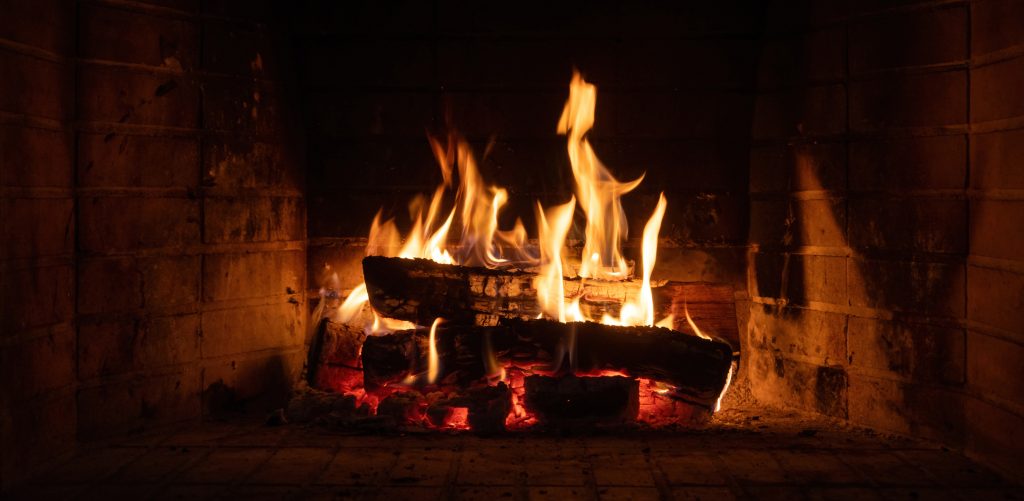
A fireplace can bring warmth, comfort, and character to your home, but it also needs to be properly maintained to operate safely. One of the most serious risks homeowners should understand is carbon monoxide.
Carbon monoxide is a colorless, odorless gas that can be produced when fuel doesn’t burn completely. Fireplaces and chimneys can become sources of carbon monoxide when they are improperly vented, blocked, damaged, or not adequately maintained.
Why Is Carbon Monoxide Dangerous?
The biggest problem with carbon monoxide is that you cannot see, smell, or taste it. Exposure can cause headaches, dizziness, nausea, weakness, confusion, and fatigue. At high levels, carbon monoxide poisoning can be life-threatening.
A properly functioning fireplace should vent combustion gases safely outdoors. Problems with the chimney or flue can interfere with that process and allow dangerous gases to enter your living space.
How Can Your Fireplace Contribute to Carbon Monoxide Exposure?
Several issues can increase the risk of carbon monoxide entering your home, including:
- A blocked or damaged chimney
- Poor chimney ventilation or drafting
- Cracks or deterioration in the chimney or flue
- Improper fireplace installation
- Failure to open the fireplace damper before use
- Lack of regular chimney inspections and cleaning
The EPA recommends having fireplaces and chimneys inspected and maintained by a qualified professional and keeping flues and chimneys in good condition and free of blockages.
Protect Your Home and Family
One of the simplest steps you can take is to install carbon monoxide alarms on every level of your home and outside sleeping areas. Test them regularly and follow the manufacturer’s instructions for placement and replacement.
You should also have your chimney and fireplace professionally inspected on a regular basis. An inspection can identify blockages, structural problems, ventilation concerns, and other issues before they become serious safety hazards.
And whenever you use your fireplace, make sure the damper is fully open before starting a fire and remains open until the fire and ashes are completely cool.
Keep Your Fireplace Safe
A cozy fire should never come at the expense of your family’s safety. Regular chimney maintenance, proper ventilation, and working Carbon Monoxide alarms can go a long way toward reducing the risk of carbon monoxide exposure.
If your chimney or fireplace hasn’t been inspected recently — or you’re concerned about its condition — now is a good time to have it checked.
Spark Chimney is here to help keep your fireplace and chimney safe, dependable, and ready for the season. Contact our team to schedule an inspection or chimney service.