
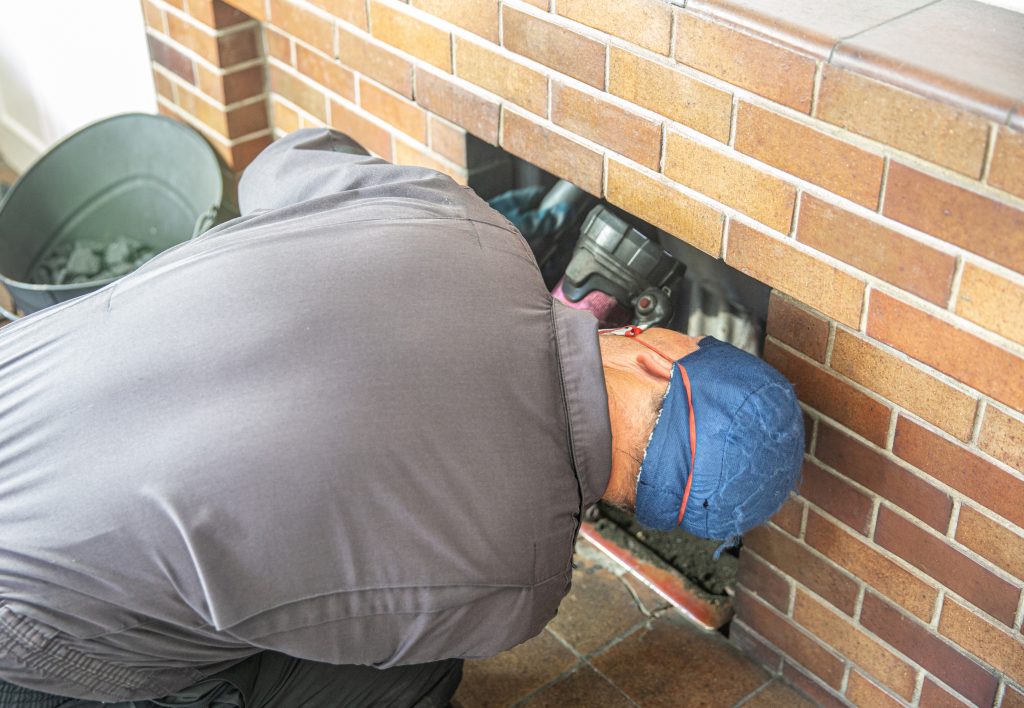
Many homeowners know they should have their chimney inspected regularly, but few understand what actually takes place during the appointment. A professional chimney inspection is much more than a quick glance inside the fireplace. It is a comprehensive safety evaluation designed to identify fire hazards, structural issues, and venting problems before they become costly or dangerous.
Whether you use your fireplace every winter or only occasionally, scheduling routine chimney inspections is one of the most important steps you can take to protect your home and family.
Why Chimney Inspections Matter
Over time, chimneys are exposed to heat, moisture, weather, and combustion byproducts that can cause deterioration. Creosote buildup, damaged flue liners, masonry cracks, animal nests, and blockages can all affect your chimney’s performance and safety.
Annual inspections help identify these issues early, reducing the risk of chimney fires, carbon monoxide exposure, and expensive repairs. Industry safety standards recommend that chimneys, fireplaces, and venting systems be inspected at least once a year.
Step 1: Exterior Chimney Evaluation
The inspection typically begins outside the home. A certified technician will examine the visible portions of the chimney structure, including:
- Brick and mortar condition
- Chimney crown
- Flashing around the roofline
- Chimney cap and spark arrestor
- Signs of water intrusion or weather damage
- Leaning or structural movement
Even small cracks in masonry can allow water to penetrate the chimney system, leading to accelerated deterioration over time.
Step 2: Fireplace and Firebox Inspection
Inside the home, the technician will inspect the fireplace and firebox for signs of wear and damage. This includes checking:
- Firebrick condition
- Mortar joints
- Damper operation
- Smoke chamber condition
- Hearth and surrounding materials
- Evidence of excessive heat damage
These components play a critical role in safely containing and directing heat and smoke.
Step 3: Flue Inspection
The flue is one of the most important parts of the chimney system because it carries smoke, gases, and combustion byproducts safely outside.
During the inspection, technicians look for:
- Creosote accumulation
- Cracks or gaps in the liner
- Deteriorated mortar joints
- Obstructions and blockages
- Animal nests or debris
- Signs of moisture damage
Even minor flue defects can increase the risk of fire or allow dangerous gases to enter the home.
Step 4: Video Camera Inspection
Many professional chimney inspections include specialized camera equipment that allows technicians to examine areas that are not visible during a standard visual inspection.
A high-resolution camera is guided through the flue to identify:
- Hidden cracks
- Liner deterioration
- Blockages
- Structural defects
- Previous fire damage
Video scanning provides a much clearer picture of the chimney’s internal condition and helps homeowners understand any recommended repairs.
Step 5: Safety and Draft Assessment
A professional inspection also evaluates how effectively the chimney is venting smoke and combustion gases. Technicians may assess:
- Draft performance
- Airflow restrictions
- Appliance connections
- Clearance from combustible materials
- Overall system functionality
Poor draft can lead to smoke entering the home and may indicate hidden issues within the chimney system.
What Happens After the Inspection?
Once the inspection is complete, your chimney professional will provide a detailed report outlining:
- Current condition of the system
- Safety concerns
- Recommended repairs
- Cleaning requirements
- Photographs or video documentation when applicable
This report gives homeowners a clear understanding of their chimney’s condition and helps prioritize any necessary maintenance.
Schedule Your Chimney Inspection Before Problems Develop
Many chimney issues begin as small, hidden problems that worsen over time. Regular professional inspections provide peace of mind, improve fireplace performance, and help ensure your chimney system operates safely year after year.
If it has been more than a year since your last inspection, now is the perfect time to schedule a professional evaluation. A thorough inspection today can help prevent costly repairs and serious safety risks tomorrow.