
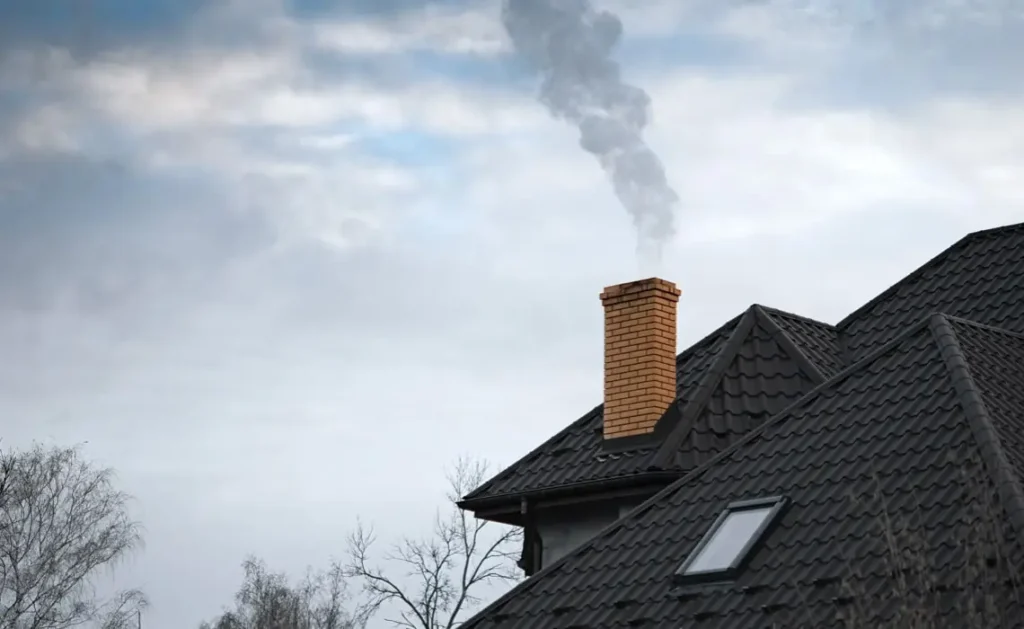
There’s nothing quite like relaxing beside a warm fireplace on a cool North Georgia evening. But while your fireplace creates comfort and ambiance, it also produces a highly flammable substance that can put your home at risk if left unchecked: creosote.
Creosote is a natural byproduct of burning wood, and over time it accumulates inside your chimney flue. If too much builds up, it can ignite and cause a dangerous chimney fire. Fortunately, regular chimney maintenance and a few good burning habits can significantly reduce the risk.
At Spark Chimney, homeowners in Canton, GA and surrounding communities rely on professional chimney sweeping and inspections to keep their fireplaces operating safely and efficiently throughout the year.
What Is Creosote?
Creosote is a dark, tar-like residue made up of unburned wood particles, smoke, and gases that condense as they travel up the chimney. As these materials cool, they stick to the interior walls of the flue. All wood-burning fireplaces and stoves produce some amount of creosote, but the rate of buildup depends on factors such as:
- The type and moisture content of the wood
- How hot the fire burns
- Airflow and draft conditions
- The condition of the chimney liner
Why Creosote Is Dangerous
Creosote is extremely combustible. If enough accumulates, a single spark or high flue temperature can ignite it and cause a chimney fire.
Chimney Fires
Chimney fires can burn intensely and may damage the flue liner, crack masonry, and spread to nearby framing materials. Some chimney fires are loud and dramatic, while others occur slowly and go unnoticed until significant damage has already occurred.
Reduced Airflow
Creosote narrows the flue opening, restricting airflow and making it harder for smoke and gases to vent properly. This can reduce fireplace efficiency and increase smoke inside the home.
Carbon Monoxide Risk
When the chimney is obstructed by heavy creosote buildup, combustion gases may not vent correctly. This can increase the risk of carbon monoxide entering your living space.
Unpleasant Odors
Creosote often creates a strong smoky or tar-like odor, especially during humid weather or when the fireplace is not in use.
Stages of Creosote Buildup
Creosote develops in several stages:
Stage 1: Soot-Like Deposits
A light, flaky coating that is relatively easy to remove during routine chimney sweeping.
Stage 2: Crunchy, Hardened Deposits
A thicker buildup that is more difficult to remove and requires specialized tools.
Stage 3: Glazed Creosote
A dense, shiny, tar-like coating that is highly flammable and often requires advanced treatment or more extensive cleaning.
How to Prevent Creosote Build-Up
Burn Only Seasoned Hardwood
Use properly dried hardwood that has been seasoned for at least six to twelve months. Wet or green wood produces more smoke and accelerates creosote accumulation.
Build Hot, Efficient Fires
Smoldering fires create more smoke and condensation. Burning hotter fires with adequate airflow helps reduce residue in the flue.
Avoid Burning Trash or Cardboard
Paper products, packaging, and household waste can create excessive smoke and leave behind additional deposits.
Schedule Annual Chimney Sweeping
Professional chimney sweeping removes existing creosote and allows technicians to identify issues before they become hazards.
Install a Chimney Cap
A properly fitted chimney cap keeps out rain, leaves, and animals that can restrict airflow and worsen creosote problems.
Signs You May Have Excessive Creosote
Watch for these warning signs:
- Strong smoky odors from the fireplace
- Poor drafting or smoke entering the room
- Black, shiny residue inside the firebox or flue
- Reduced fireplace performance
- Unusual popping or roaring sounds during a fire
If you notice any of these symptoms, stop using the fireplace until your chimney has been inspected.
Protect Your Canton Home with Professional Chimney Sweeping
Creosote buildup is one of the leading causes of chimney fires, but it is also one of the most preventable fireplace hazards.
Spark Chimney provides expert chimney sweeping, inspections, and repair services for homeowners in Canton, GA, and throughout North Georgia. Whether you use your fireplace occasionally or throughout the winter, regular maintenance helps ensure safe and reliable operation.
Contact us today to schedule a professional chimney inspection and sweeping, and enjoy your fireplace with confidence all season long.